Best Time to Climb Mount Kilimanjaro: Weather by Season
Kilimanjaro can be trekked in every month, but mountain conditions vary sharply between sunny lower trails, cold upper camps and the exposed summit.
Seasonal and practical considerations
January and February often offer comparatively clear periods with the possibility of snow on the upper mountain. From roughly June to October, drier conditions usually support popular climbing departures, although colder nights and larger groups are common. April and May can bring heavy rain to the forest and slippery trails. November is another rain-prone period, and local weather patterns do not obey neat calendar boundaries. Travelers booking a fixed school or work holiday should plan clothing for rain even in the preferred seasons.
- January to early March
This period can bring clearer periods, fewer people than peak northern summer months and very cold nights. Rainfall patterns are variable: a dry forecast for Moshi does not guarantee dry terrain at altitude.
- June to October
Generally popular for trekking because many weeks are relatively dry, particularly from July through September. Demand for guides and good hotels rises, so reservations and gear planning benefit from an earlier start.
- April and May
Long rains can make forest trails wet and camps muddy; visibility may be limited. The mountain remains open where conditions and regulations permit, but choose experienced local crews and accept that itineraries may need adjustments.
- November and December
Short rains are more variable, with both bright spells and showers. The holiday period can be busy even when weather is changeable. Warm dry layers and weatherproof bags remain important all year.
A useful month-by-month decision
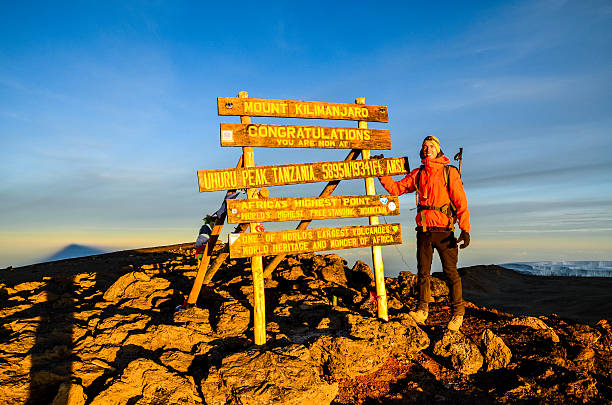
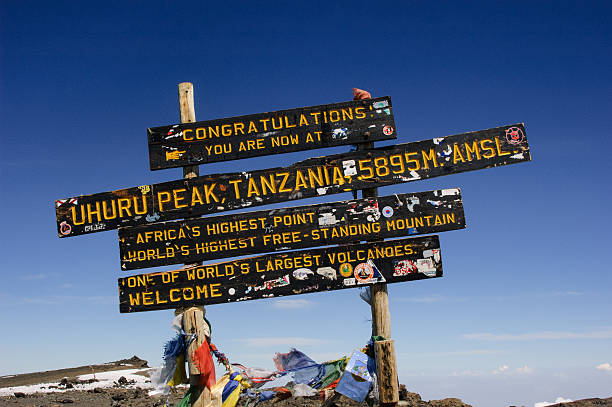
Visibility at Uhuru Peak should not be treated as a promised part of any trip. Clouds can arrive quickly, and the mountain's upper slopes are exposed to wind even when Moshi is warm. Date flexibility helps, but suitable layers, waterproof storage and a realistic overnight plan matter more than picking a supposedly perfect month. For each proposed departure, verify guide availability and your pre- and post-trek hotel nights before paying.
Weather affects the ordinary camp routine
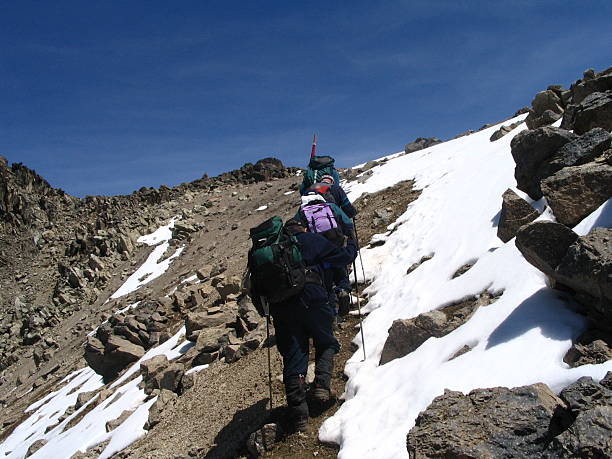
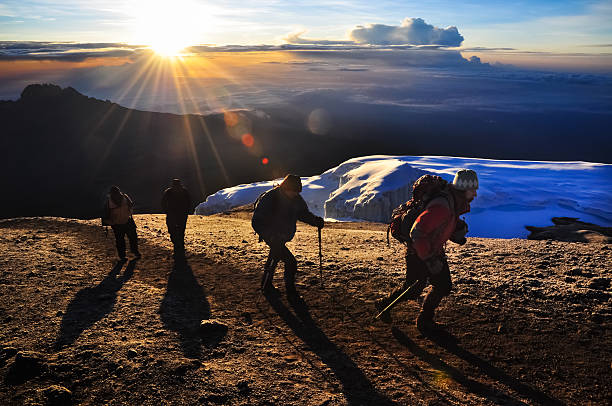
The biggest seasonal difference may be felt at camp rather than on a mountain photograph. Wet boots are hard to dry overnight, so pack socks in waterproof bags; clear days can still become cold after sunset, requiring a warm sleeping system. Morning start times and the effort of carrying a daypack are more comfortable when clothing is adaptable. Avoid relying on a weather app for Moshi to predict wind at Barafu or Kibo Hut, which are many kilometres higher.
A practical example for travelers
A weather forecast for the Kilimanjaro region usually describes conditions in a town or lower elevation, which may be quite different from the final camps. Even on a relatively dry-season departure, a traveler should expect changing cloud, wind and nighttime cold. Photographers hoping for clear sunrise views should build expectations around uncertainty rather than a calendar promise. Some guests prioritize fewer crowds or greener vegetation over a statistically drier month. Discuss those priorities with the operator, then use a suitable packing list that covers both rain and cold regardless of when the trek starts.
A useful question for your travel planner
Build the itinerary around acclimatisation first; choosing a dry month does not remove the need for safe ascent.
A frequently asked question
Does Kilimanjaro have a guaranteed dry season?
No. Weather changes with elevation and from year to year, so every month requires rain and cold-weather protection.