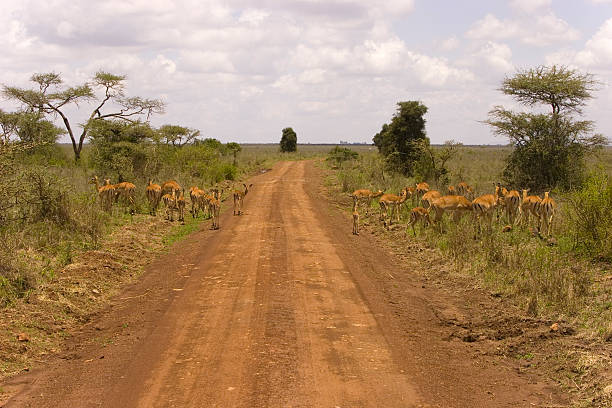
Is a Tanzania Safari Safe? Practical Advice for Visitors
A professionally organized safari reduces avoidable risks, but wildlife, roads and remote locations always deserve respect and sensible planning.
Before choosing a plan
Stay in the vehicle except where your guide says leaving is permitted, never offer food to animals and avoid calling or making sudden movements to attract attention. A responsible guide gives wildlife room to move rather than blocking a path for a photograph. At lodges and camps, ask about night escorts and property boundaries; an apparently quiet lawn is not necessarily free of wild animals.
Follow your guide around wildlife
Wild animals should be observed from a safe distance. Do not leave the vehicle during game drives unless the guide explicitly chooses a permitted area.
Camp and lodge procedures
Accommodation teams explain night-time escort policies and designated walking areas. Follow local instructions even if a camp looks quiet.
Travel health and documents
Check current entry requirements and medical advice with official services before departure. Carry travel insurance details, required prescriptions and emergency contacts.
Road journeys and communication
Long transfers can be tiring. Ask about departure timing, reliable vehicles, drinking water, licensed guides and an emergency contact pathway.
Wildlife etiquette begins at the vehicle
Long inter-park drives require seat belts, breaks and reasonable departure times. Keep essential medication and documents in your hand luggage and discuss appropriate travel-health advice with a qualified provider before departure. Good preparation also includes sharing your pickup details with the operator and knowing how to reach the driver on the day of travel.
A small incident-prevention checklist
Before setting off, confirm the lodge name, emergency contact and vehicle identification with your tour company. Keep hydrated according to your own needs, follow the guide's instructions about leaving the vehicle and check that belongings are secured before a bumpy drive. Wildlife photography should never involve approaching animals on foot without authorized supervision. Travel insurance, appropriate medical advice and clear communication make the experience easier to manage, especially in remote areas.
A practical example for travelers
Lodge staff and the driver-guide should explain how to move safely around a camp, especially where wildlife can enter the grounds. Rules may differ between fenced properties and more open wilderness camps. During game drives, travelers should stay seated or inside the vehicle as instructed and avoid feeding or provoking animals. Before confirming travel, provide the operator with the names and arrival details of the people booked, and ask for an emergency contact. Safety communication should be straightforward and professional, never based on a claim that wild environments are completely risk-free.
A useful question for your travel planner
Good operators welcome direct questions about insurance, vehicle upkeep, child travel and how they handle unexpected changes.
A frequently asked question
Can I walk alone around a safari camp at night?
Follow the camp’s guidance; wildlife may move through unfenced properties and staff escorts can be required.